These two parks often appear in the same planning conversation, but they do not deliver the same safari. Wildlife character, road time from Nairobi, camp atmosphere, and the kind of experiences you take home all differ significantly. Understanding what each park does well — and does not — is the most useful thing you can know before building a Kenya itinerary.
Size and Setting
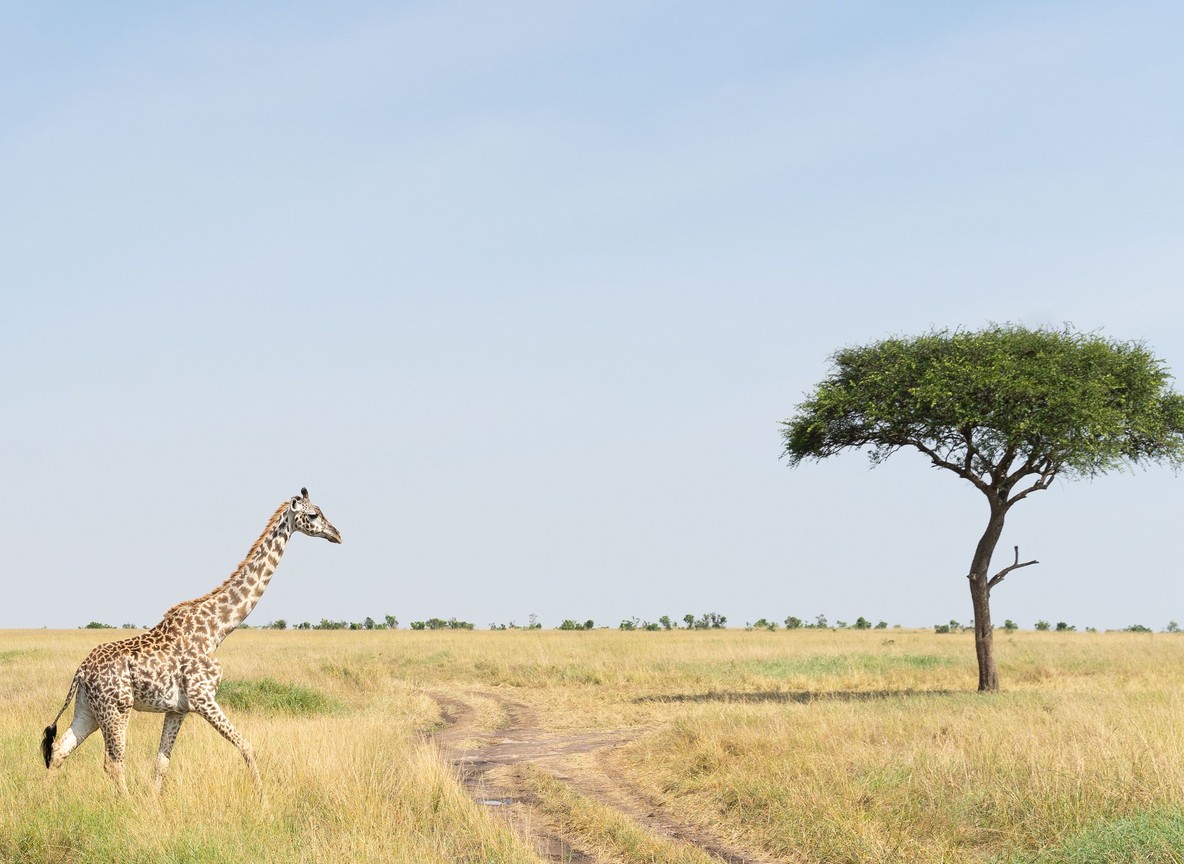
Masai Mara National Reserve covers approximately 1,510 km2, sitting in southwestern Kenya at around 1,500 metres altitude. The landscape is open savannah: rolling plains, riverine forest along the Mara and Talek rivers, and the Siria Escarpment to the west. The Mara is part of the vast Mara-Serengeti ecosystem that extends into Tanzania.
Lake Nakuru National Park covers approximately 188 km2 — a fraction of the Masai Mara’s size. It is centred on Lake Nakuru itself, a shallow alkaline lake in the floor of the Rift Valley near Nakuru town. The park rises from the lake through acacia woodland, rocky hillsides, and Euphorbia forest to the Menengai Crater rim to the north.
Lake Nakuru can be thoroughly driven in a single day. The Masai Mara requires multiple days to explore properly.
Wildlife
Masai Mara Wildlife
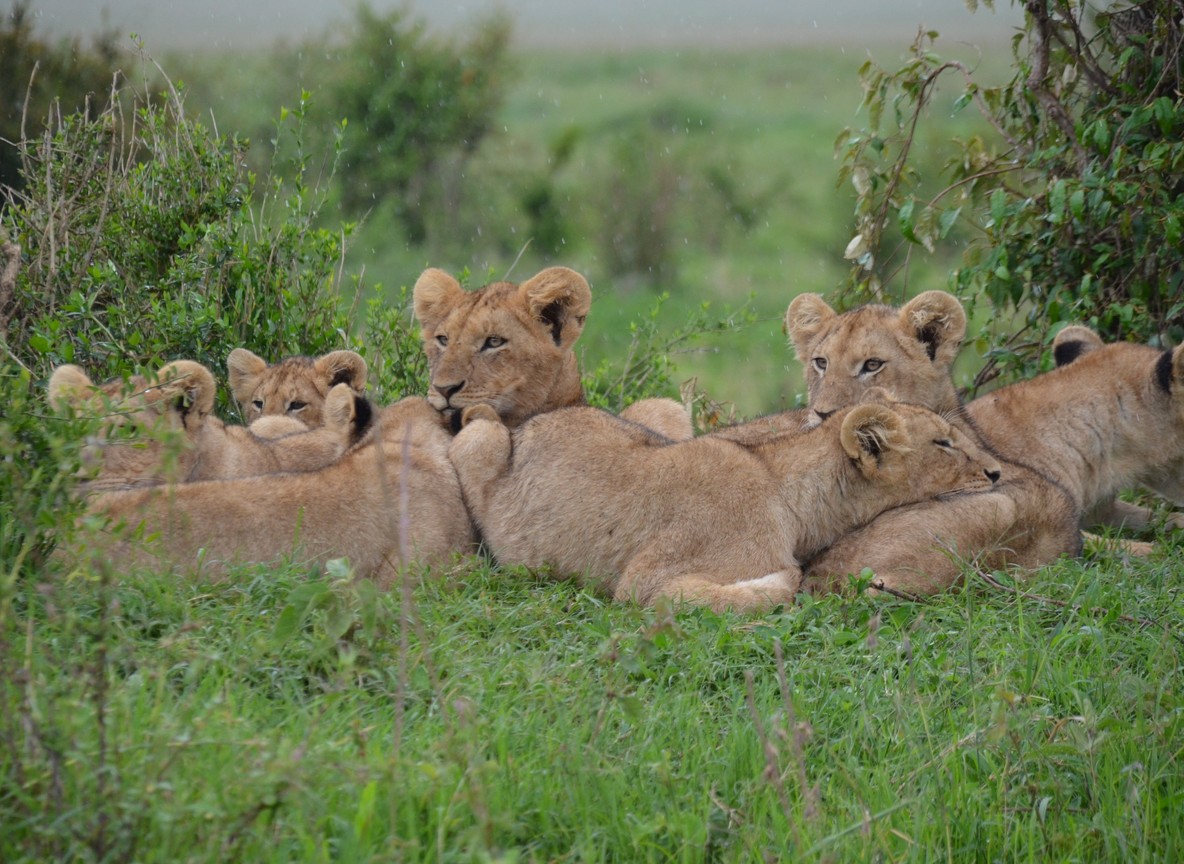
The Masai Mara delivers the full East African savannah experience. The Big Five are present: lion, leopard, elephant, buffalo, and rhino (more reliably in the conservancies than the main reserve). Cheetah are highly visible on the open plains. The Mara and Talek rivers support large hippo pods and Nile crocodile.
The defining seasonal event is the Great Migration: more than two million wildebeest, zebra, and Thomson’s gazelle moving between the Serengeti and the Masai Mara between July and October, with dramatic Mara River crossings that draw visitors from around the world.
Year-round, the Mara holds exceptional concentrations of resident predators and plains game.
Lake Nakuru Wildlife
Lake Nakuru is best known for three headline species:
- Flamingos: The lake was historically home to up to one million flamingos at a time, making it one of the world’s most extraordinary ornithological spectacles. Numbers fluctuate with lake water levels and alkalinity, but when conditions are right, the pink carpet effect across the lake surface is one of Kenya’s most memorable sights.
- Rhino: Lake Nakuru is among Kenya’s most reliable parks for rhino sightings. Both black and white rhino are present and relatively easy to observe — the park’s fencing concentrates wildlife within a manageable area.
- Rothschild’s giraffe: One of the most endangered giraffe subspecies globally, Rothschild’s giraffe were introduced to Lake Nakuru and are highly visible throughout the park.
Additional wildlife includes lion, leopard, waterbuck, zebra, baboon, warthog, large pelican colonies, cormorants, and exceptional aquatic birdlife along the lake shore and surrounding woodland.
Wildlife Comparison Table
| Feature | Masai Mara | Lake Nakuru |
|---|---|---|
| Big Five | Yes (rhino limited in main reserve) | Yes (good rhino viewing) |
| Great Migration | Yes (July to October) | No |
| Flamingos | No | Yes (variable, can be spectacular) |
| Rhino viewing | Conservancies (reliable) | Excellent (fenced park) |
| Rothschild’s giraffe | No | Yes |
| Predator density | Very high | Moderate |
| Birdlife | Excellent | Exceptional (lake species) |
Scenery
The two parks offer strikingly different visual character.
The Masai Mara is open, rolling savannah: golden grass plains under enormous African skies, acacia-lined rivers, and the dramatic escarpment on the western edge. It is the classic East Africa image.
Lake Nakuru is something else entirely. The lake — ranging from white soda flats to pink flamingo carpets to open water, depending on the season — sits within a bowl of forested hills. The surrounding woodland has a lush, almost enclosed quality compared to the open Mara. Views from the rocky southern cliffs over the lake and its flamingo flocks are among Kenya’s most photographed scenes.
If you want vast open savannah, choose the Mara. If you want something visually distinct with strong birdlife and a different ecological character, Nakuru is compelling on its own terms.
Best Time to Visit
Masai Mara: Peak season is July to October for the Great Migration. The long dry season (June to October) and short dry season (January to February) are both consistently excellent for game viewing. Long rains (March to May) bring fewer visitors and lush landscapes.
Lake Nakuru: Best in the dry season (June to October and January to February). Flamingo numbers are most spectacular when lake water levels are optimal — this is partly weather-dependent and cannot be predicted with certainty. Rhino, giraffe, and other wildlife are reliable year-round regardless of flamingo numbers.
Accessibility
Masai Mara: Approximately 270 km southwest of Nairobi — five to six hours by road or 45-60 minutes by scheduled bush flight from Wilson Airport.
Lake Nakuru: Approximately 160 km northwest of Nairobi — a two-hour drive on the A104 highway. This makes it the most accessible of Kenya’s major wildlife parks and a natural addition to any Nairobi-centred itinerary or a comfortable stop en route to the Masai Mara.
Accommodation
Masai Mara has the widest accommodation range in Kenya: from budget campsites through mid-range tented camps to ultra-luxury conservancy lodges. There is something across all budget levels.
Lake Nakuru has a smaller selection, primarily mid-range. Key properties include Sarova Lion Hill Game Lodge, Lake Nakuru Lodge, and Flamingo Hill Tented Camp. Fewer luxury options exist here compared to the Mara.
Time Needed
Lake Nakuru: One to two days is sufficient for a thorough visit. Many Kenya safari itineraries include Nakuru as a half-day or full-day stop within a longer circuit rather than as a standalone destination.
Masai Mara: A minimum of three nights is needed to explore the reserve properly across multiple game drives. Five nights is ideal, particularly during migration season.
Which Should You Choose?
Choose the Masai Mara if:
- The Great Migration or Mara River crossings are your primary goal
- You want maximum big cat and predator density
- This is your first Kenya safari and you want the classic savannah experience
- You want multiple nights of immersive game drives
Choose Lake Nakuru if:
- Flamingos, rhino, and Rothschild’s giraffe are on your list
- You are combining it with other parks on a Kenya circuit and have limited total time
- Birdwatching is a key interest
- You want a compact, high-value park that rewards a single-day visit
Combine both — and most Kenya itineraries do. The most common Kenya safari structure combines the Masai Mara with Lake Nakuru (and often Amboseli or Samburu) in a five to eight-day circuit. Lake Nakuru is small enough to include as a single night or day stop without significantly extending the trip, and it adds wildlife species and ecological variety that the Masai Mara does not offer.
Quick Comparison
| Factor | Masai Mara | Lake Nakuru |
|---|---|---|
| Size | 1,510 km2 | 188 km2 |
| Great Migration | Yes | No |
| Flamingos | No | Yes (variable) |
| Rhino viewing | Conservancy (reliable) | Park (excellent) |
| Predator density | Very high | Moderate |
| Rothschild’s giraffe | No | Yes |
| Days needed | 3 to 5 | 1 to 2 |
| Distance from Nairobi | 270 km | 160 km |
| Accommodation range | Very wide | Mid-range focused |
Explorer Notes: Making the Combination Work
If you are doing both parks in a single itinerary, a common and logical route runs: Nairobi — Lake Nakuru (overnight or day visit) — Masai Mara (3-5 nights) — Nairobi. This uses Lake Nakuru as a meaningful stopover on the way to or from the Mara, adding rhino and flamingo viewing without requiring a significant detour.
Alternatively, include Lake Nakuru on the return leg if you are flying into the Mara and driving back — the road from the Mara to Nairobi passes within easy reach of Nakuru town.
Reader Next Steps
For a broader Kenya multi-park itinerary that includes both parks, the 10-day Kenya safari itinerary guide maps out a well-tested circuit. The Masai Mara vs Samburu guide covers another major comparison decision if you are building a northern Kenya extension into the same trip.
Every trip described here can be tailored: dates, budget, camps, and pace built around you.
Get a Personalised Safari